

Anthoyanins in Blueberries and why are they so important for our daily wellbeing , logevity and vitality?
Blueberry anthocyanins have shown promising new research past decades, it can and metabolic syndrome. They can improve insulin sensitivity and they can modulate glucose metabolism.
They contain various of chemical compounds, being the anthocyanins the prominent and a responsible for the color blue, other notable compounds such as flavonoids, like quercetin and myricetin, plus phenolic acids and stilbenes.
Blueberries also contain vitamins C, B, E, A, tannins, and other bioactive compounds.
Anthocyanins in blueberries offer a range of potential health benefits due to their antioxidant and anti-inflammatory properties. These compounds, which give blueberries their characteristic blue color, are associated with improved vision, reduced blood pressure, and a lower risk of cardiovascular diseases and type 2 diabetes.
blueberries contain a variety of beneficial chemical compounds, with anthocyanins being particularly prominent and responsible for their characteristic blue color. Other notable compounds include various flavonoids (like quercetin and myricetin), phenolic acids, and stilbenes.
Research confirms that freezing blueberries preserves …
While freezing can enhance anthocyanin availability, it’s worth noting that long-term frozen storage might lead to some leaching of antioxidants into the surrounding ice. However, studies show that frozen blueberries retain significant levels of anthocyanins and antioxidant activity, especially when stored for shorter periods.
Enhanced Anthocyanin Availability:
Freezing breaks down cell walls, allowing for easier extraction of anthocyanins.
Preservation of Nutrients:
Freezing preserves the nutritional value of blueberries, including anthocyanins, vitamins, and Fiber.
More information on blue, purple food;
Purple and blue fruits, vegetables, tubers, salads are healthy because their pigments, anthocyanins, are antioxidants that reduce cell damage, inflammation, and chronic disease risks, including heart disease, cancer risks by several percent, and type 2 diabetes. For the brain, anthocyanins are absorbed and can cross the blood-brain barrier to improve memory and cognition by scavenging free radicals and promoting neuron communication, reducing neuroprotection and apoptosis.
Benefits of Anthocyanins
- Antioxidant Properties: Anthocyanins are potent antioxidants that fight free radicals, which are unstable molecules that can damage cells and contribute to aging and disease.
- Anti-inflammatory: They help reduce inflammation in the body, a key factor in many chronic illnesses.
- Disease Prevention: A diet rich in these compounds may lower the risk of type 2 diabetes, certain cancers, and heart disease.
- Brain Health & Cognition: Anthocyanins have been shown to improve memory, attention, and overall brain function.
How Anthocyanins Affect the Brain
- Crossing the Blood-Brain Barrier: Once consumed, anthocyanins can cross the blood-brain barrier and concentrate in brain cells, allowing them to exert their effects.
- Neuroprotection: They protect the brain from damage caused by oxidative stress and inflammation.
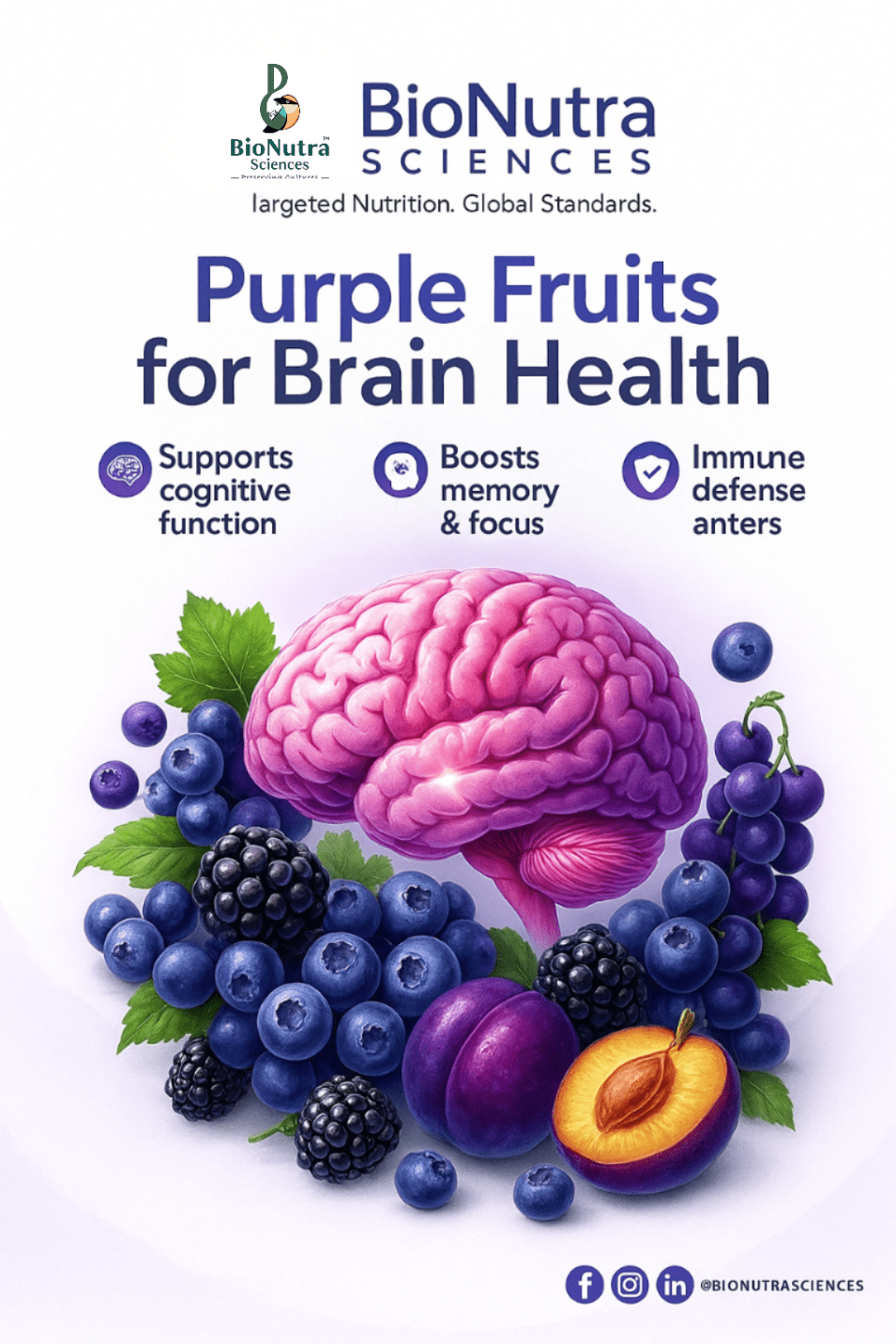
- Improved Neural Signalling: They can improve the communication and signalling between neurons, leading to better cognitive function and neurotransmitter efficacy.
- Promoting Neurogenesis: Some research suggests they may even promote the formation of new neurons, or neurogenesis, particularly in areas of the brain Vagus nerve like the hippocampus part of the brain.
Specific Health Benefits:
- Antioxidant Properties:
Anthocyanins are powerful antioxidants that help protect cells from damage caused by free radicals, potentially reducing the risk of chronic diseases.
- Cardiovascular Health:
Studies suggest that regular consumption of blueberries, rich in anthocyanins, may help lower blood pressure and reduce the risk of heart disease.
- Vision Improvement:
Research indicates that anthocyanins may play a role in improving vision and protecting against age-related macular degeneration.
- Anti-inflammatory Effects:
Anthocyanins have been shown to possess anti-inflammatory properties, which can be beneficial in managing various inflammatory conditions.
- Potential Anti-diabetic Effects:
Some research suggests that blueberry anthocyanins may have a positive impact on glucose metabolism and could potentially help in the prevention or management of type 2 diabetes.
- Neuroprotective Effects:
Anthocyanins may also play a role in protecting brain health and cognitive function, potentially reducing the risk of neurodegenerative diseases.
Other Considerations:
- Variety and Quantity: Different types of blueberries and different amounts consumed can affect the overall health impact.
- Bioavailability: The body’s ability to absorb and utilize anthocyanins can vary.
- Further Research: While research is promising, more human clinical studies are needed to fully understand the extent of
Here’s a more detailed breakdown:
- Anthocyanins:
These are a type of flavonoid responsible for the blue, purple, and red color in many fruits and vegetables, including blueberries.
- Flavonoids:
Beyond anthocyanins, blueberries contain other flavonoids like flavanols (kaempferol, quercetin, and myricetin).
- Phenolic acids:
These include compounds like caffeic acid, chlorogenic acid, and ferulic acid.
- Stilbenes:
Resveratrol and pterostilbene are examples of stilbenes found in blueberries.
Here’s why frozen blueberries are a great choice:
Enhanced Anthocyanin Availability:
Freezing breaks down cell walls, allowing for easier extraction of anthocyanins.
Examples of Purple/Blue Foods
- Berries: Blueberries, blackberries, cherries
- Vegetables: Red onion, purple cabbage, eggplant
- Fruits: Plums, figs, grapes
- Tubers: Purple potatoes
? Anthocyanin-Rich Foods: Nature’s Super Boost
? Blue & Purple Fruits, salads, tubers, vegetables & Berries
- Rich in antioxidants → fight free radicals
- Support brain health & memory
- Promote healthy blood pressure
Strengthen immune Défense


